






























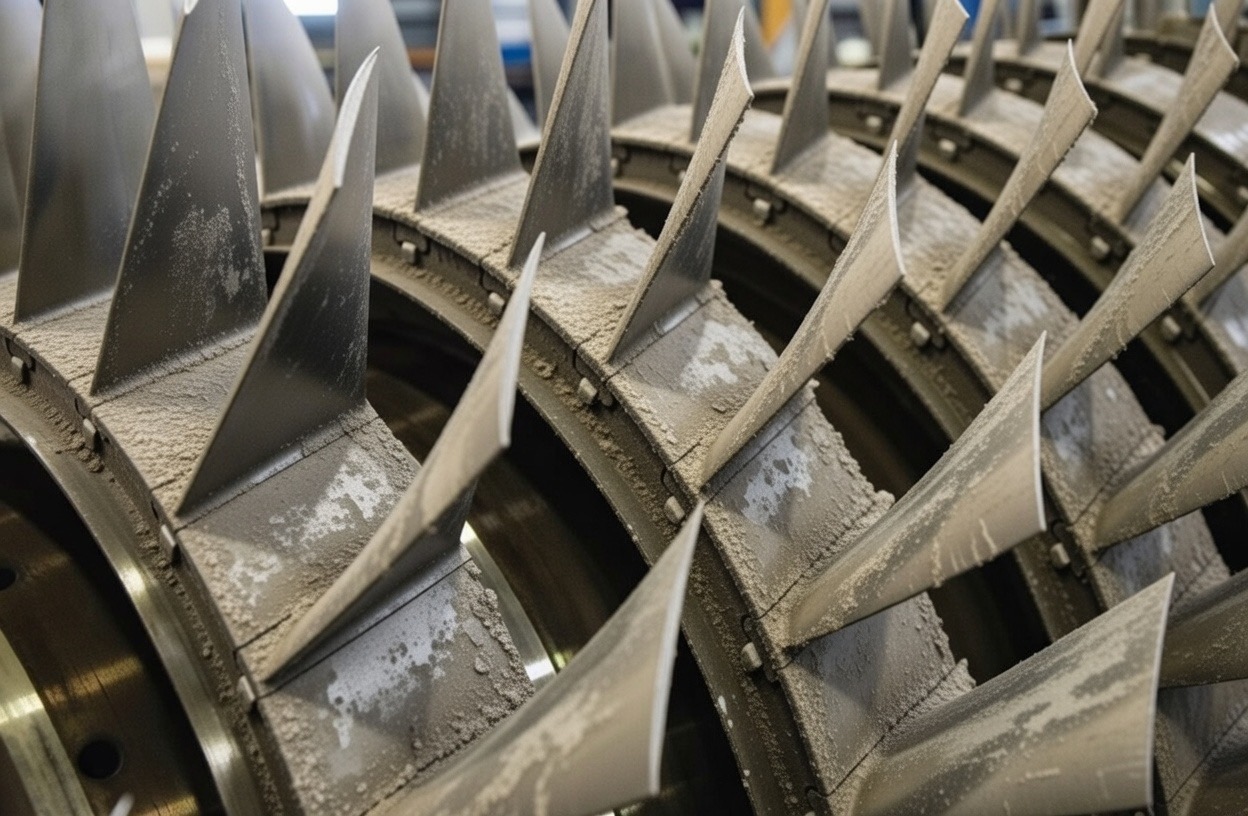
Nobody budgets for it properly.
Yet compressor fouling is quietly costing gas turbine operators across the Middle East millions every single year.
It does not announce itself. There is no alarm. No trip. No flashing warning on the DCS screen.
It just slowly, steadily, silently degrades your turbine’s performance – day after day, week after week.
Here is what is actually happening:
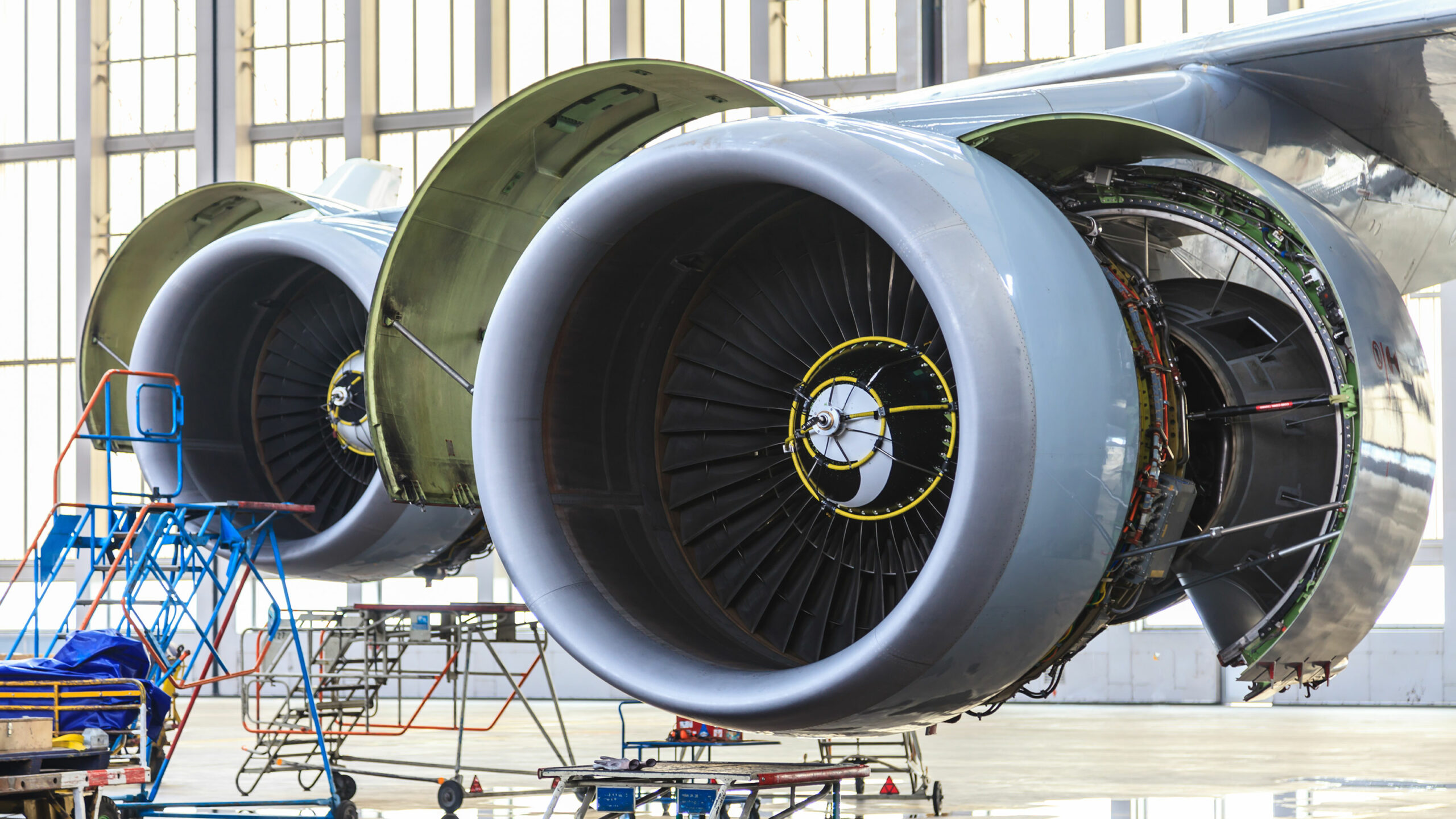
Airborne dust, sand, salt particles and hydrocarbon aerosols pass through an inadequate inlet filtration system and begin to coat compressor blade surfaces. The aerofoil profile that was precision engineered to move air efficiently becomes rougher, thicker, and less effective.
The result:
• Reduced mass flow through the compressor
• Lower compressor efficiency
• Higher fuel consumption to maintain output
• Increased exhaust temperatures
• Accelerated hot section degradation
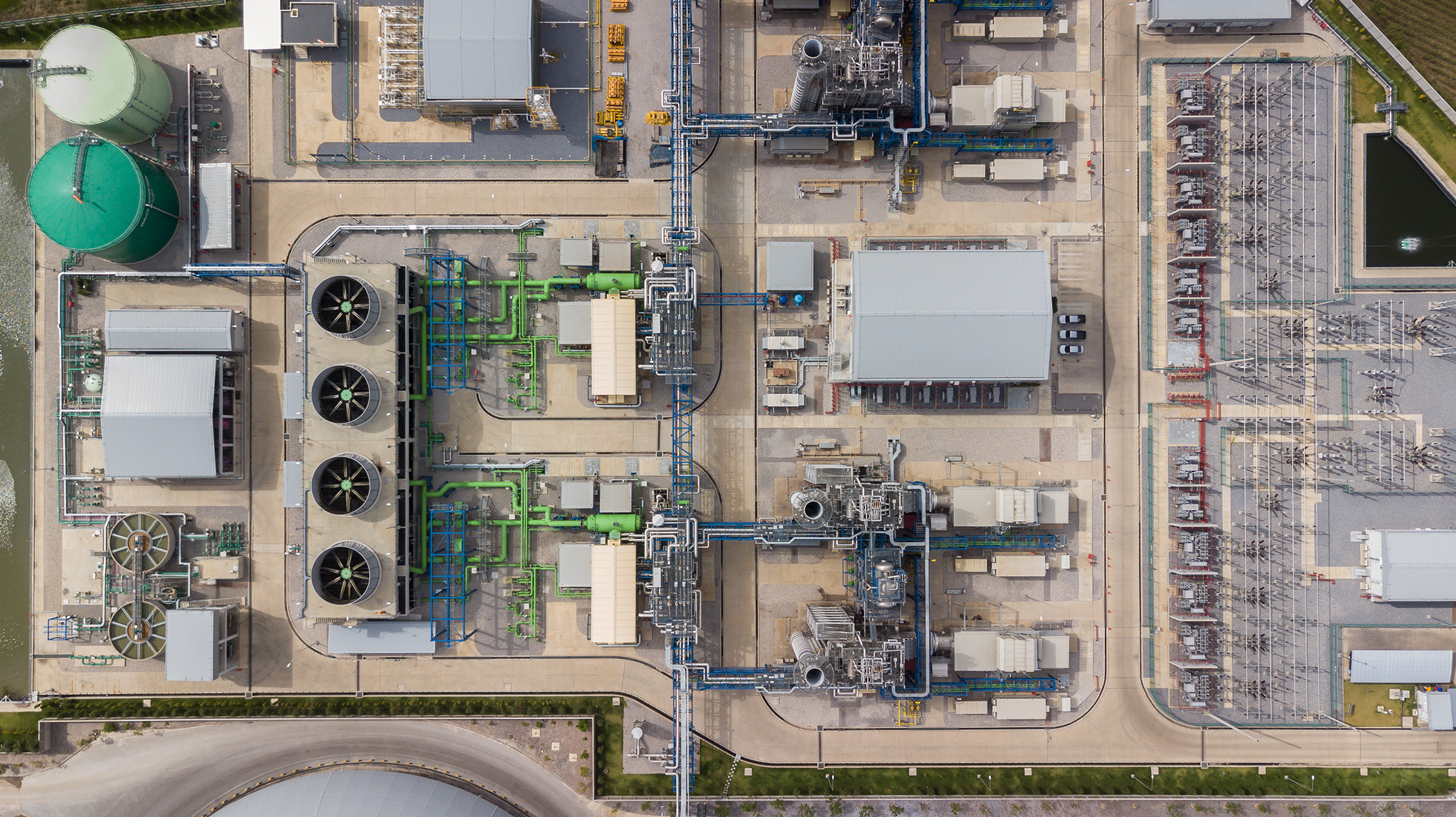
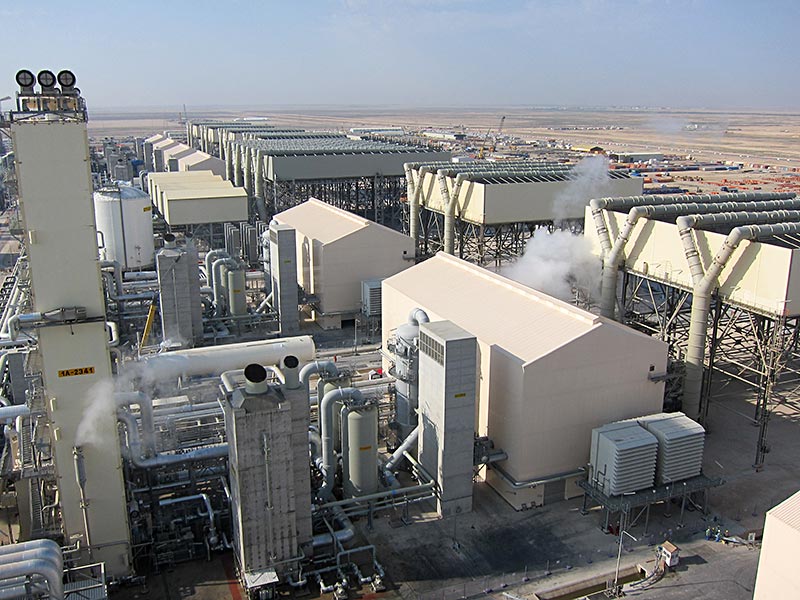
A fouled compressor can cost you 2-5% of your rated output. On a 300MW combined cycle plant running at high load factors in the Gulf, that is not a small number. That is a commercial problem.
And the frustrating reality is that most of it is preventable.
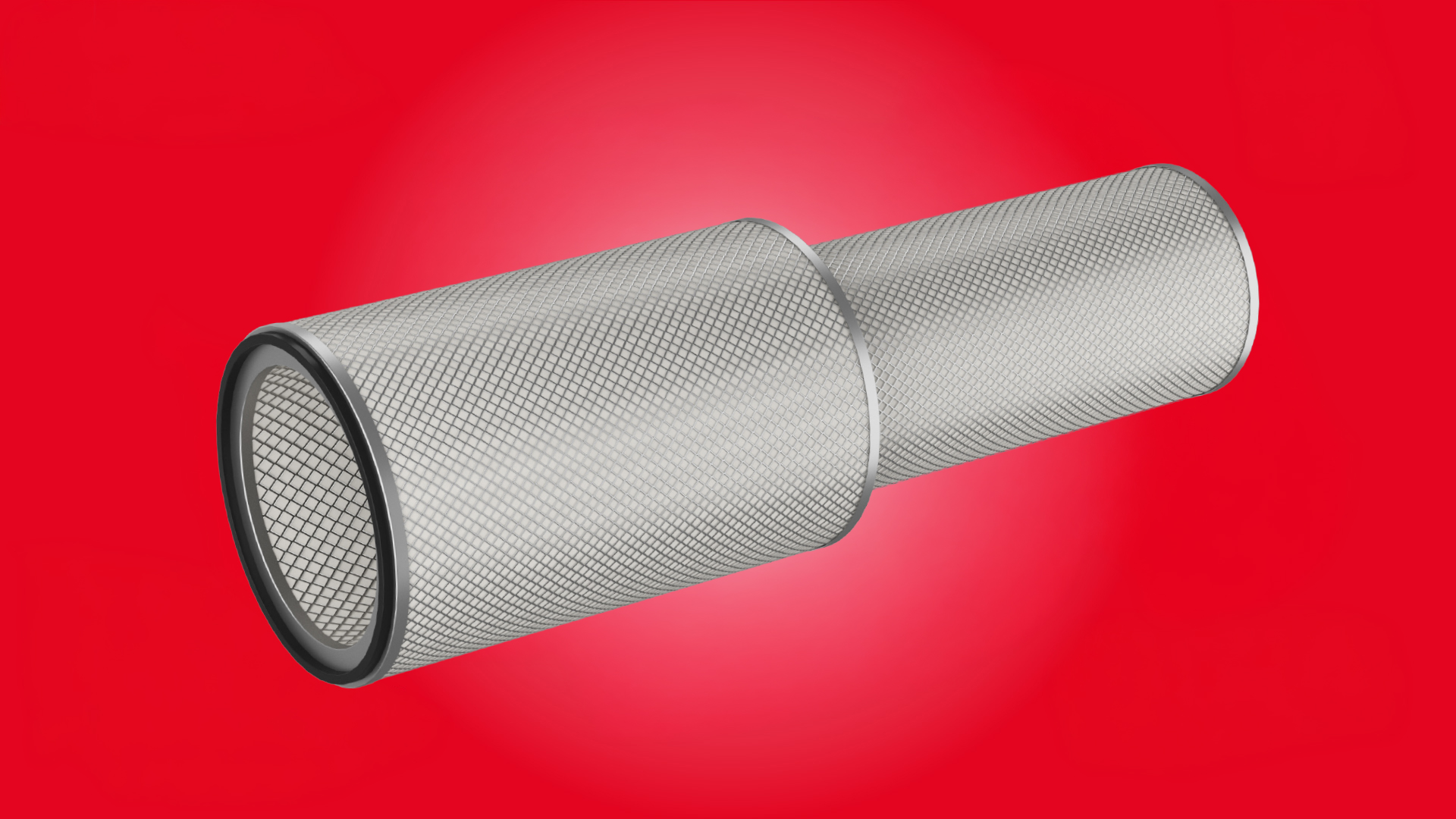
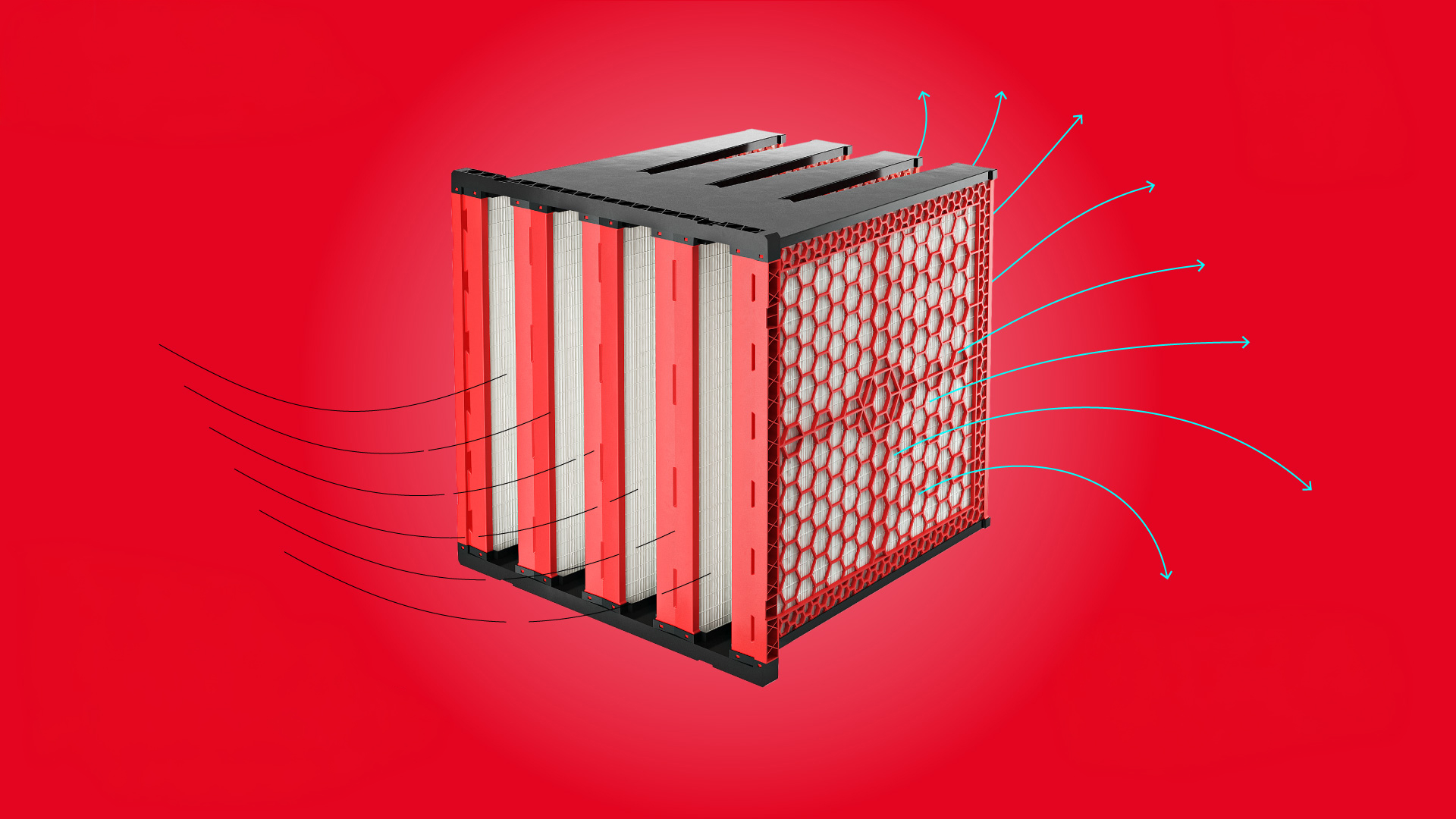
The right inlet filtration system – specified correctly for your actual operating environment – is the first line of defence against compressor fouling.
Not the cheapest filter. The right filter.
At FAIST we have spent decades understanding what gas turbines actually need from their inlet air systems. Especially here in the Middle East, where the environment makes getting this right non-negotiable.
Follow FAIST Filtration Middle East for more insights on protecting your assets and your bottom line.
Powering the Future.